ChinShiHuang: Exploring the Intricacies of the Game and Its Modern Impact
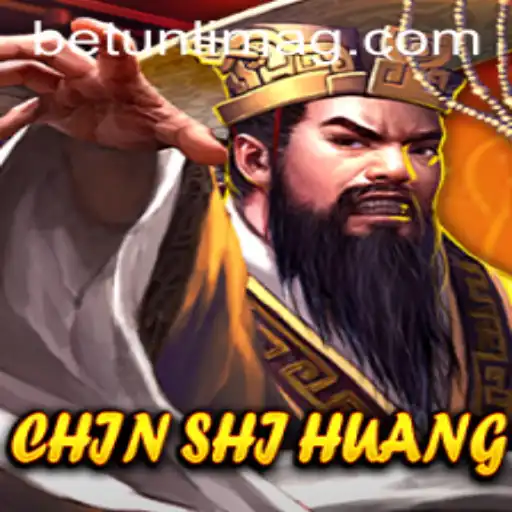
ChinShiHuang: Exploring the Intricacies of the Game and Its Modern Impact
ChinShiHuang is an immersive strategy game that draws inspiration from the historical figure Qin Shi Huang, the first Emperor of China. This compelling game combines historical context with intricate gameplay mechanics, offering players a unique window into ancient China while challenging their strategic thinking skills. By understanding both the background and the nuances of the game's rules, players can become adept conquerors in the digital realm.
Introduction
ChinShiHuang has risen in popularity over the last few years, largely due to its blend of historical elements and engaging strategy-based gameplay. Inspired by the life and achievements of Qin Shi Huang, the game seeks to emulate the grandiosity and complexity of his reign. Players are tasked with unifying fragmented lands, overseeing construction projects akin to the Great Wall, and navigating the intricate political landscape of ancient China.
The narrative of ChinShiHuang is enriched by the historical tapestry of the Warring States period, where players will encounter numerous factions vying for power. The goal is not only to conquer but to lead wisely, balancing military might with diplomatic finesse. ChinShiHuang challenges players to think critically and adapt to ever-changing scenarios.
Game Rules and Mechanics
Main Gameplay Overview
ChinShiHuang places each player in the role of a regional leader during the tumultuous Warring States period. The overarching objective is to unify the various states and proclaim oneself the emperor. Players must engage in resource management, troop deployments, and strategic alliances to advance their ambitions effectively.
Resource Management
Central to ChinShiHuang's gameplay is the effective management of resources. Players are entrusted with managing land, populations, and economic resources, all vital for sustaining their rule. Resources can be allocated towards building infrastructure, funding scientific research, and expanding military capabilities.
Strategically investing in canals and agricultural advancements ensures a steady food supply, which in turn supports player endeavors to expand their territories and influence.
Military Strategy
The military component of ChinShiHuang is both rich and complex. Rather than relying solely on brute force, players must calculate strategic troop placements, fortify key locations, and plan their conquests carefully. The choice of units and formations are crucial, each with strengths and vulnerabilities that can turn the tide of battle. Terrain, weather, and morale are additional factors that leaders must account for, adding layers of depth to every conflict.
Diplomatic Engagements
Alongside military prowess, diplomacy plays an essential role in ChinShiHuang. Players can negotiate treaties, form alliances, or engage in espionage against rivals. Successful engagements can lead to peaceful acquisitions of new territories or strengthen one's position against more formidable opponents. The balance between maintaining trustworthy alliances and pursuing personal gain is delicate, demanding shrewd decision-making.
Cultural and Scientific Advancement
Advancing one's culture and scientific knowledge is critical within the game. Reflecting the historical advancements of the Qin dynasty, players can invest in technological developments that grant significant advantages. Whether it’s innovations in metallurgy, literature, or political systems, these enhancements can boost a player's economic output or military efficiency.
ChinShiHuang and Its Contemporary Relevance
The appeal of ChinShiHuang extends beyond its gameplay, as it parallels several current global trends. In an increasingly interconnected world, themes of strategy, resource management, and diplomacy resonate deeply. Furthermore, as discussions around leadership and global power dynamics become more prevalent, gamers find themselves reflecting on these considerations through gameplay.
Another interesting connection to modern events is the rise of e-sports and strategic games, fostering a community that thrives on competition and intellectual growth. ChinShiHuang has taken part in this digital age phenomenon, with numerous tournaments and online discussions invigorating its fan base. Players from around the globe engage with this historical narrative, learning and competing in a virtual arena that mirrors the complicated realities of leadership and governance.
As players navigate the multifaceted world of ChinShiHuang, they not only discover the challenges faced by historical leaders but also gain insights into the timeless nature of power and responsibility. Whether building alliances, mastering military strategies, or overseeing technological advancements, players are continually reminded that the past holds valuable lessons applicable to the present and future.
In conclusion, ChinShiHuang offers a captivating blend of history and strategy, transporting players into the ancient world of Qin Shi Huang. Its rich narrative and complex gameplay mechanics ensure its continued relevance and appeal, challenging players to think deeply about leadership, power, and the art of strategy in a world that continues to evolve.
